



-
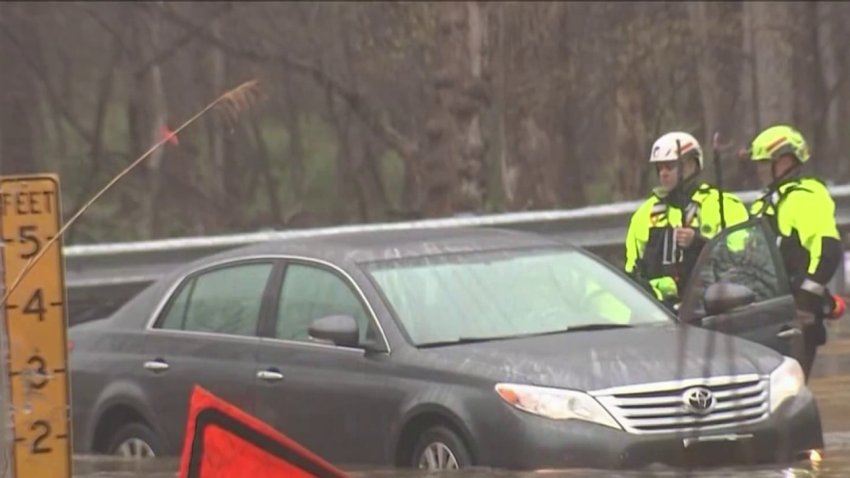
Man rescued from car in high water in Vienna
Heavy rain caused flooding Wednesday. News4’s Dominique Moody reports on the rescue of a man whose car got stuck in high water.
-
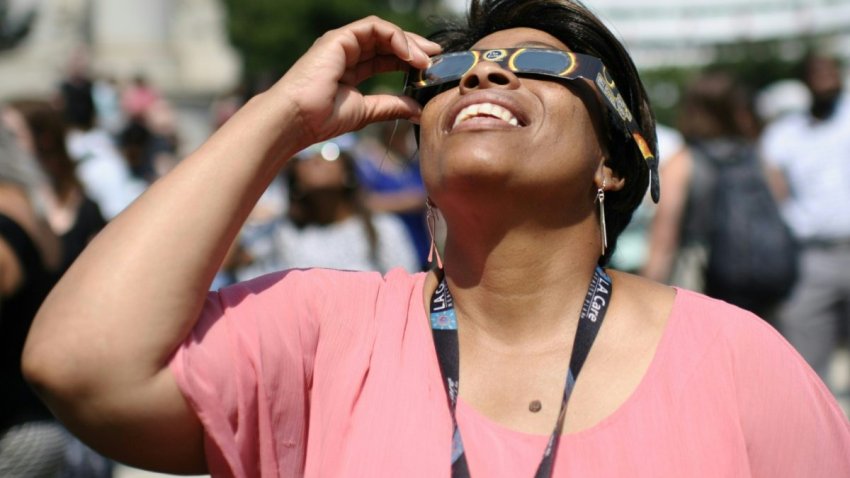
Where to find solar eclipse glasses in DC, Maryland and Virginia
Solar eclipse viewing parties aren’t complete without special eclipse viewing glasses.
-
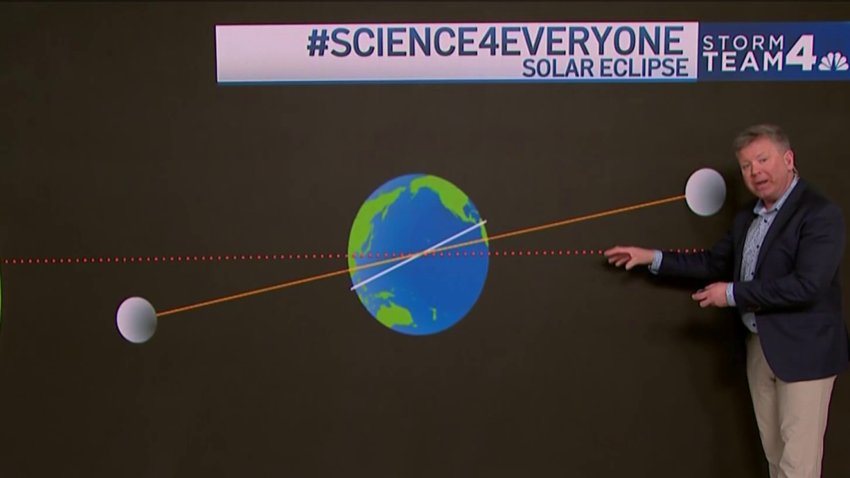
When is the next solar eclipse after 2024 in the DMV?
Ahead of the solar eclipse on April 8, Storm Team4 Meteorologist Ryan Miller explains how solar eclipses occur and when they have crossed the D.C. area.
-
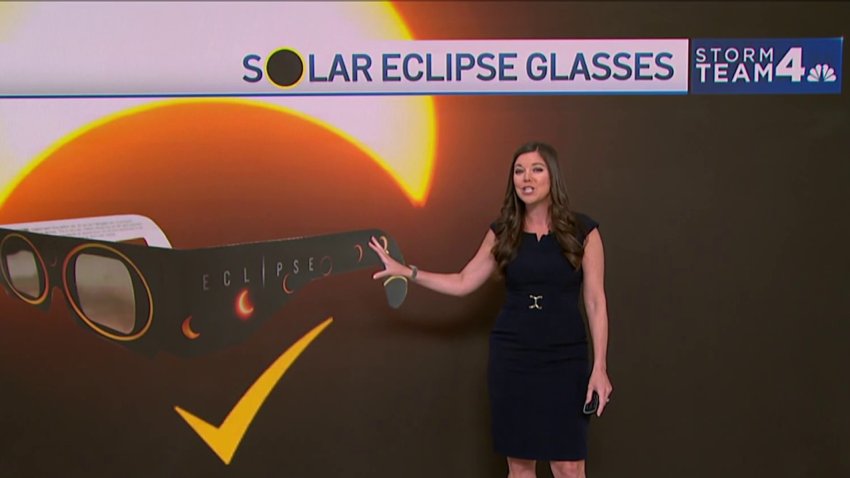
What to expect from the solar eclipse in the DC area
Storm Team4 shares four things to know about what the solar eclipse will be like in the D.C. area.
-
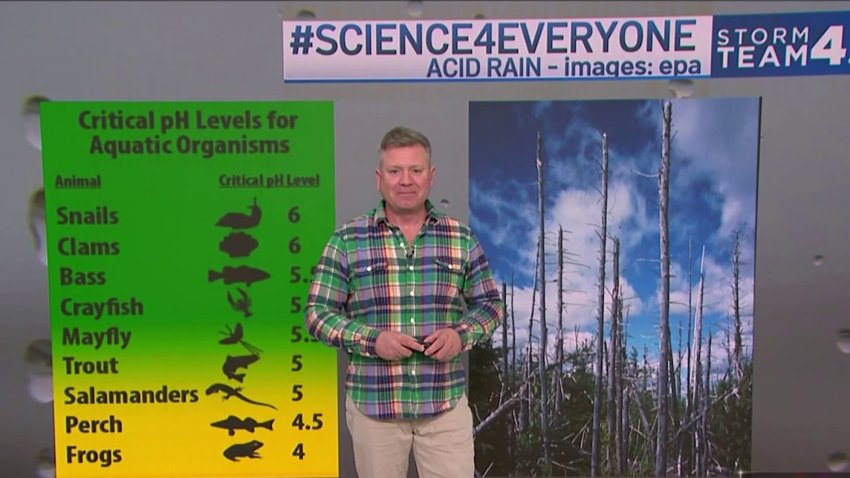
Acid rain: How to check the pH of precipitation
Storm Team4 Meteorologist (and science teacher!) Ryan Miller explains what acid rain is and how it effects the environment.
-
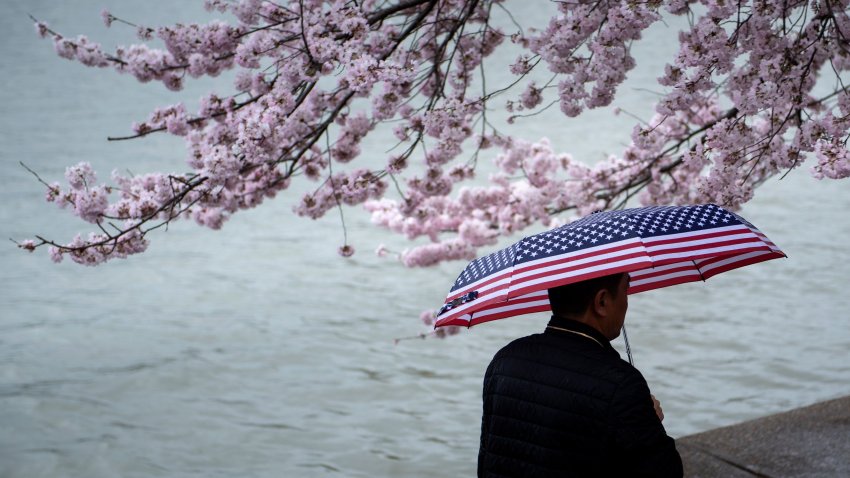
Weather Alert: Heavy rain hits DC area Saturday, sparking flood watch and postponed events
Storm Team4 is tracking rain for Saturday, March 23, 2024.
-
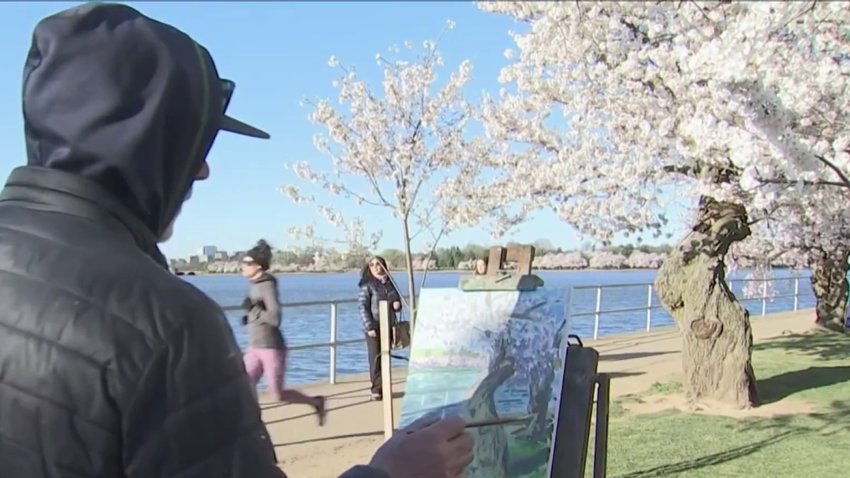
Still peak bloom? NPS weighs in on cherry blossoms longevity
Time is potentially running out to see the cherry blossoms at peak bloom around the Tidal Basin. News4’s Juliana Valencia reports.
-
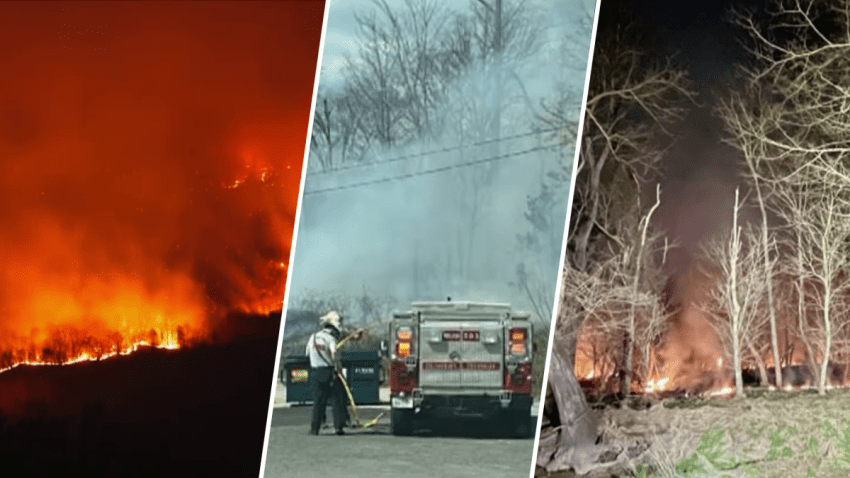
Brush fires spread smoke across DC area amid high winds
Multiple brush fires burned near highways and homes Wednesday, sending smoke into the sky in the D.C. area.
-
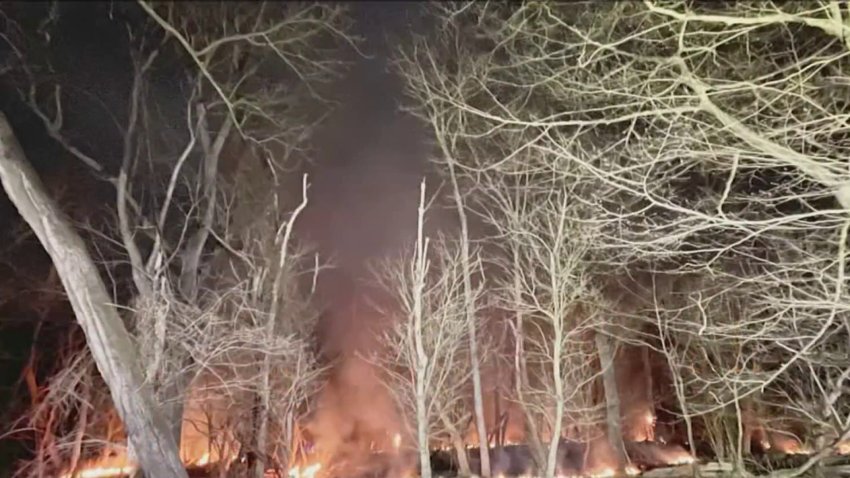
High winds raise fire concerns as brush burns in Montgomery County
Montgomery County Fire warned of the potential for more brush fires as a fire weather watch remains in effect for parts of the D.C. area. News4’s Juliana Valencia reports.
-
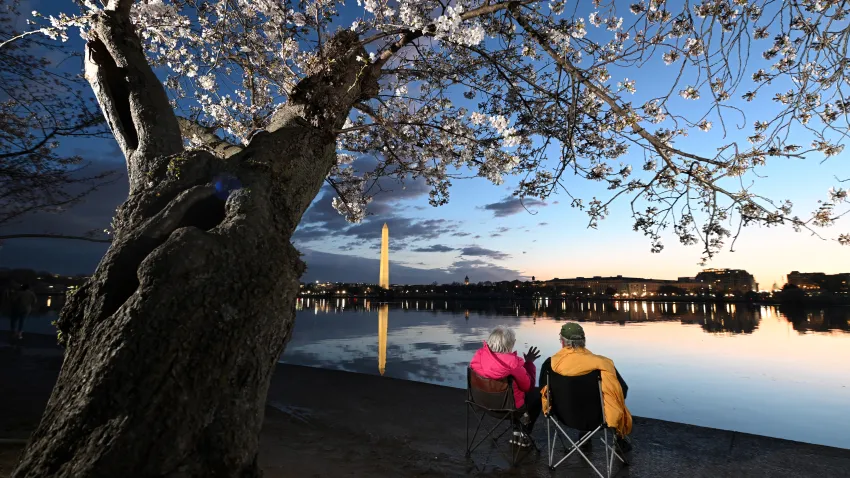
Fastest cherry blossom bloom cycle on record
Storm Team4 Meteorologist explains how climate change contributes to the cherry trees reaching peak bloom earlier.
-
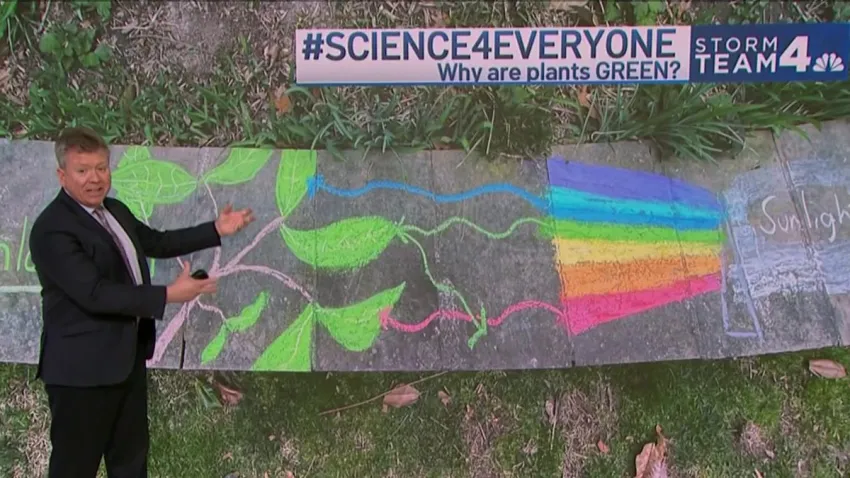
Spring science: Why plants appear green
On this Science 4 Everyone, Storm Team4 Meteorologist (and Science Teacher!) Ryan Miller explains how sunlight helps create the vibrant colors of spring.
-
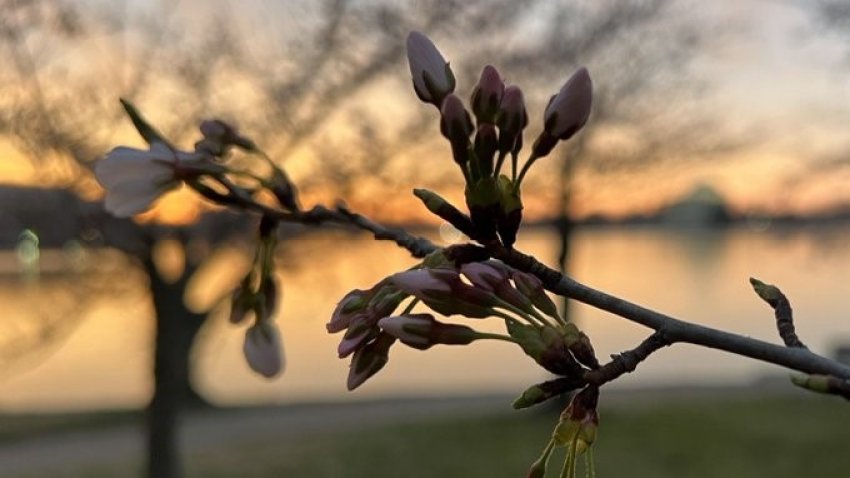
Cherry blossom watch: DC's cherry trees reach puffy white, the last stop before peak bloom
The cherry blossoms near the Tidal Basin have reached stage four of six on their way to peak bloom, the National Park Service announced.
-
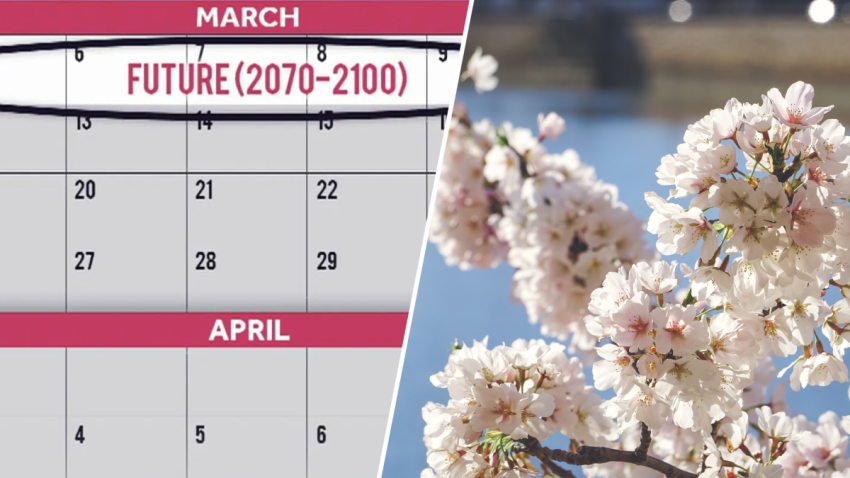
DC's cherry trees may bloom earlier in the future. Here's why
The countdown to peak bloom is on, but when will we countdown in 2070?
-
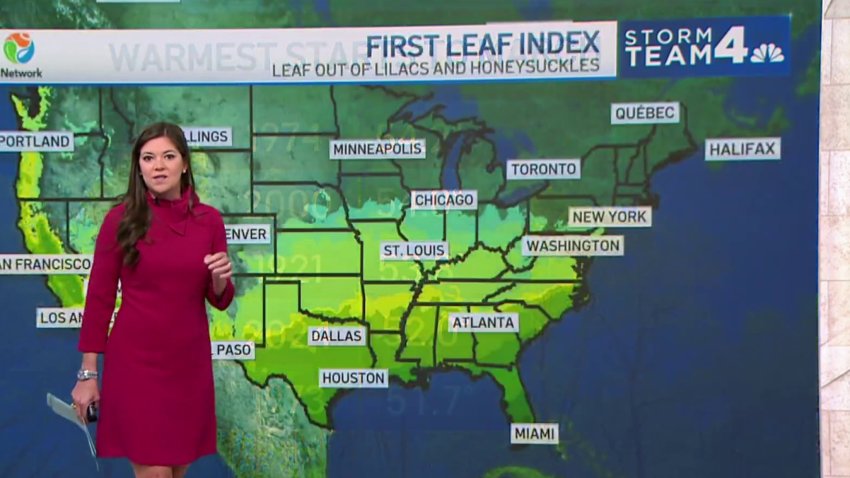
DMV experiences early spring weather
Spring is springing early this year with a warm start to March. Storm Team4 Meteorologist Amelia Draper has the details.
-
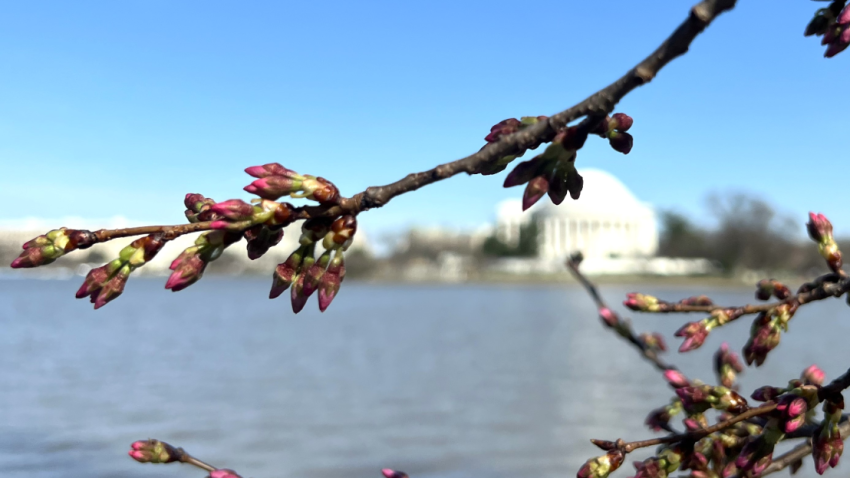
Cherry blossom watch: DC's cherry trees reach blooming phase 4 of 6
The cherry blossoms near the Tidal Basin have reached stage three of six on their way to peak bloom, the National Park Service announced.
-
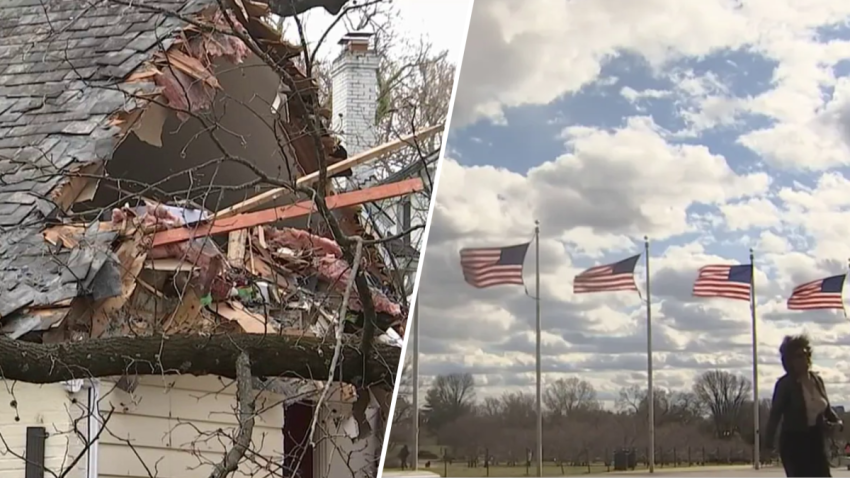
Trees topple, tourist attractions close as windstorm moves through DC area
Gusts up to 50 mph caused closures on Sunday and brought trees down overnight in the D.C. area.
-
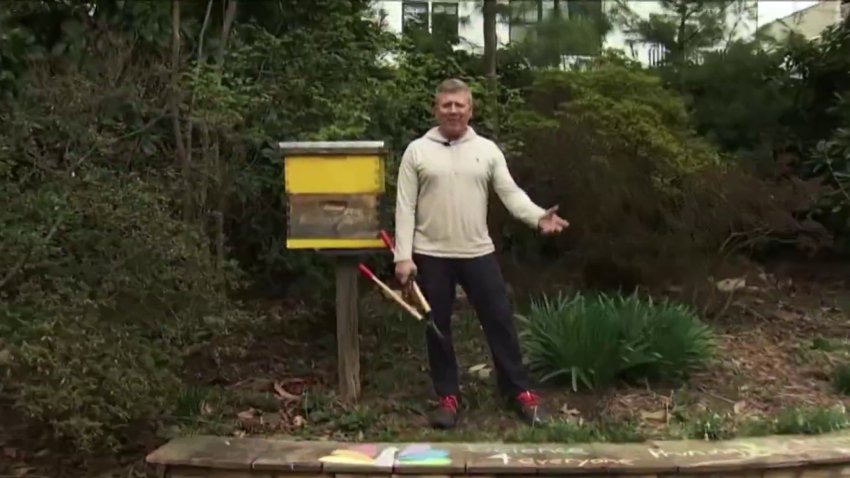
Why you should prune your shrubs and trees
On this Science 4 Everyone, Storm Team4 Meteorologist (and Science Teacher!) Ryan Miller explains why plant pruning goes beyond garden aesthetics.